Inspiration

Schneider Electric Channel Sales Analysis

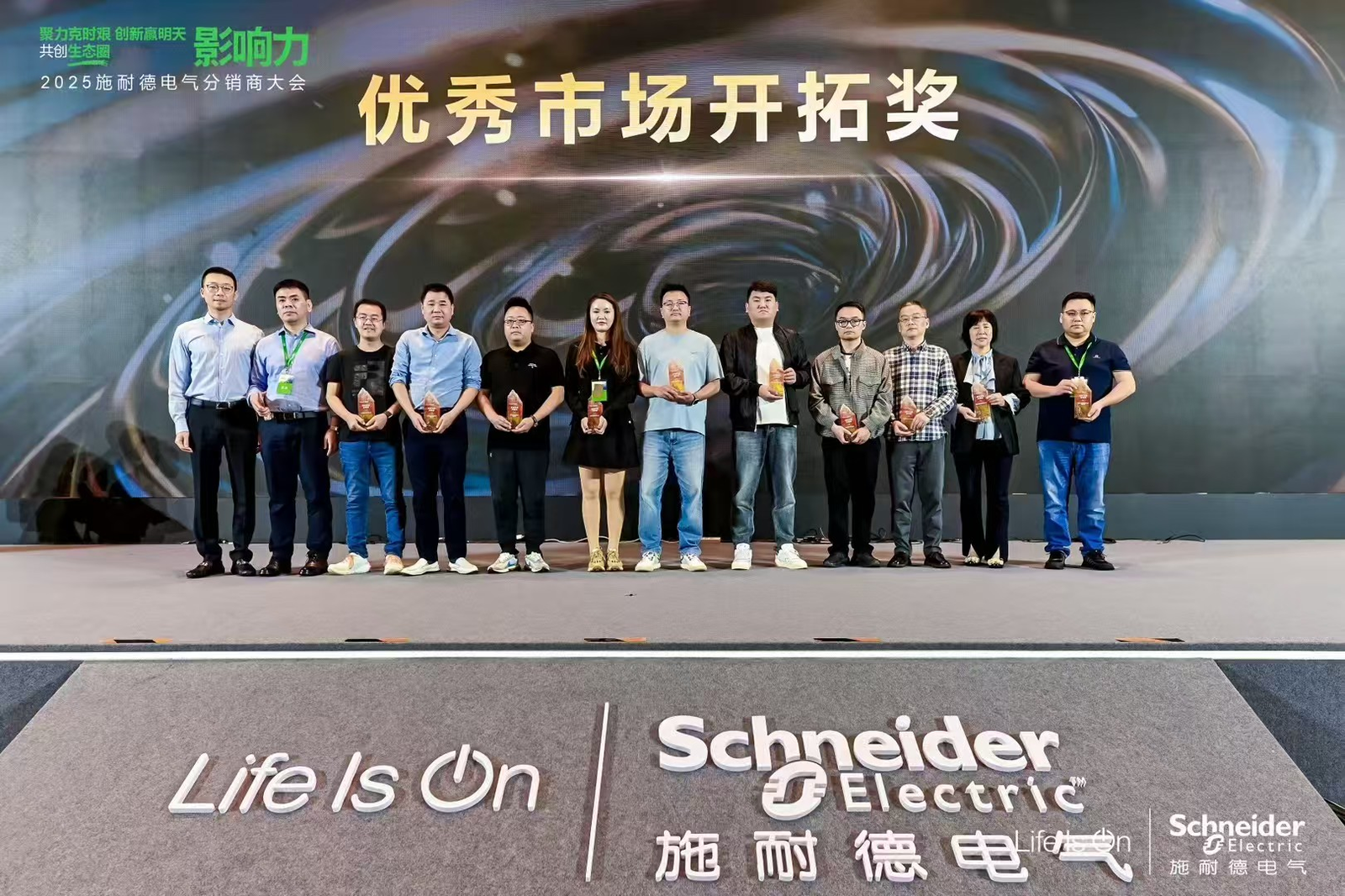
With the continuous development of industrial automation, intelligent manufacturing, and the low-voltage power distribution market, sales models for industrial electrical products are also constantly evolving. Schneider Electric’s product portfolio spans multiple sectors—including low-voltage power distribution, industrial control, automation, and energy management—and its market sales depend not only on the products themselves but also heavily on channel strategy, inventory capabilities, technical support, and delivery efficiency. This article provides a brief analysis of Schneider Electric’s channel sales model and market demand, taking into account the specific characteristics of the industrial electrical market.

Characteristics of Schneider Electric's Channel Market

The industrial electrical sector encompasses a vast array of products and complex model specifications, with requirements regarding product specifications, quantities, and delivery timelines varying significantly across different industries and projects. Consequently, channel sales play a pivotal role in bridging the gap between branded products and end customers.
Schneider Electric serves a diverse customer base, including equipment manufacturers, system integrators, project-based clients, industrial end-users, and maintenance service clients. Given the varying procurement practices of these different customer segments, channel suppliers must possess robust capabilities in product integration and order fulfillment.

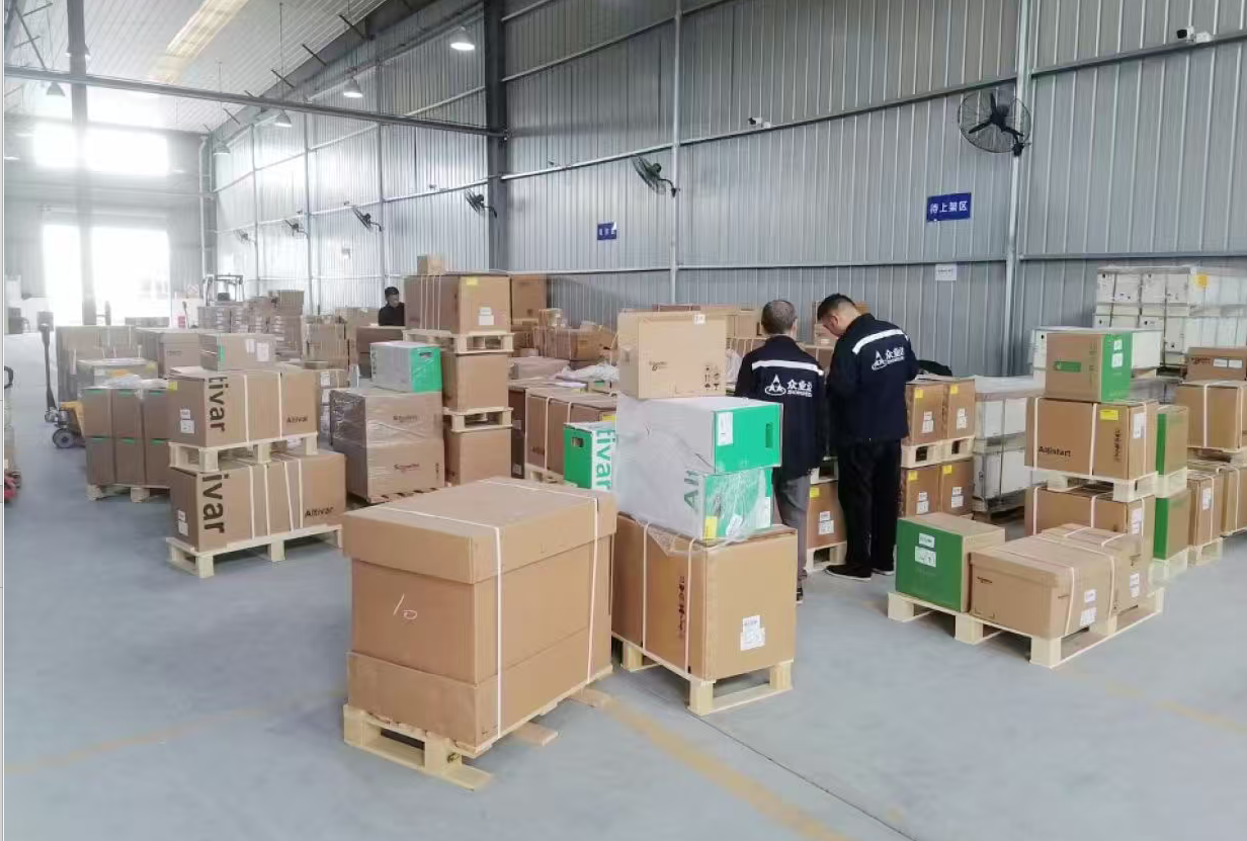
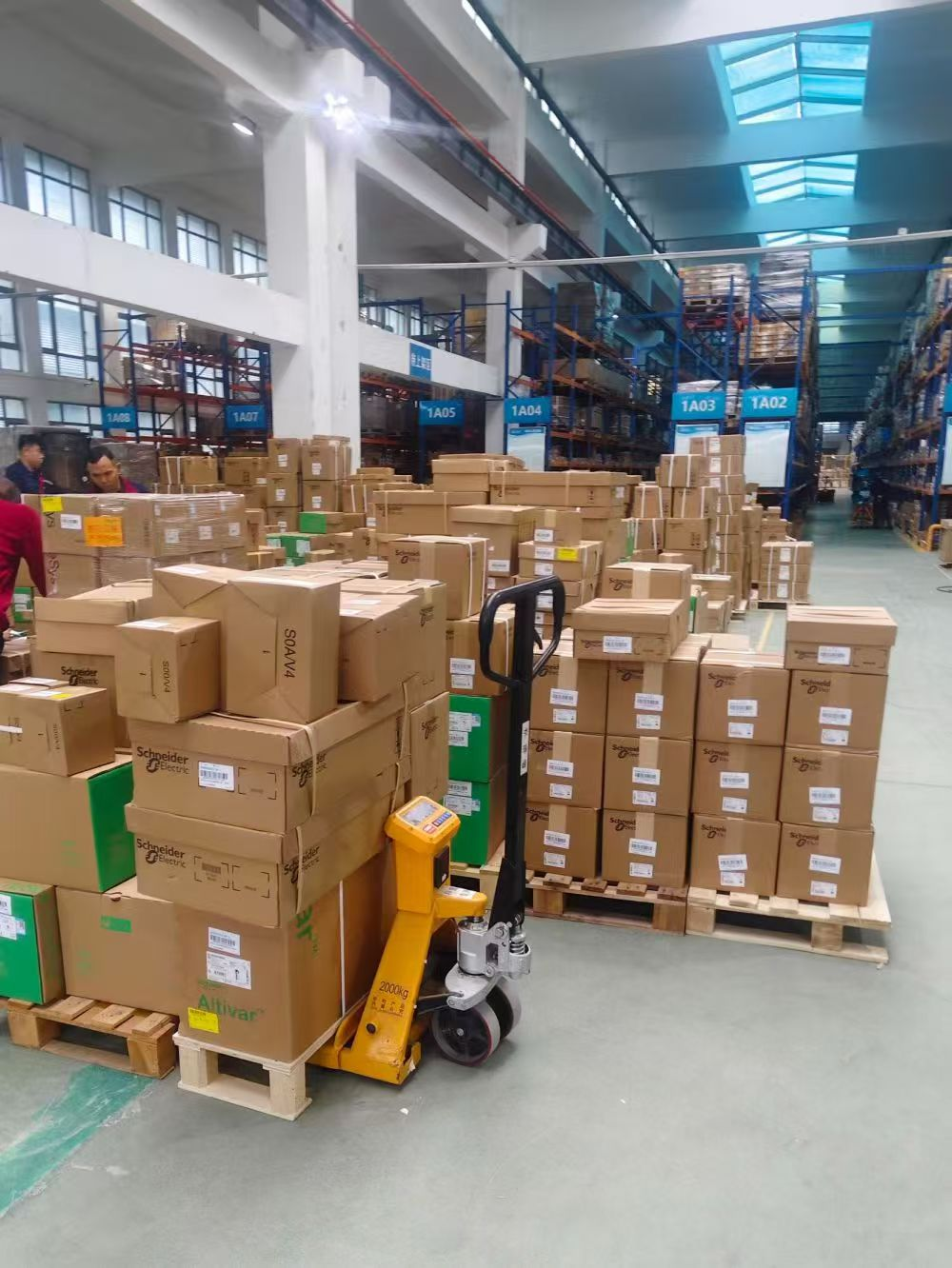
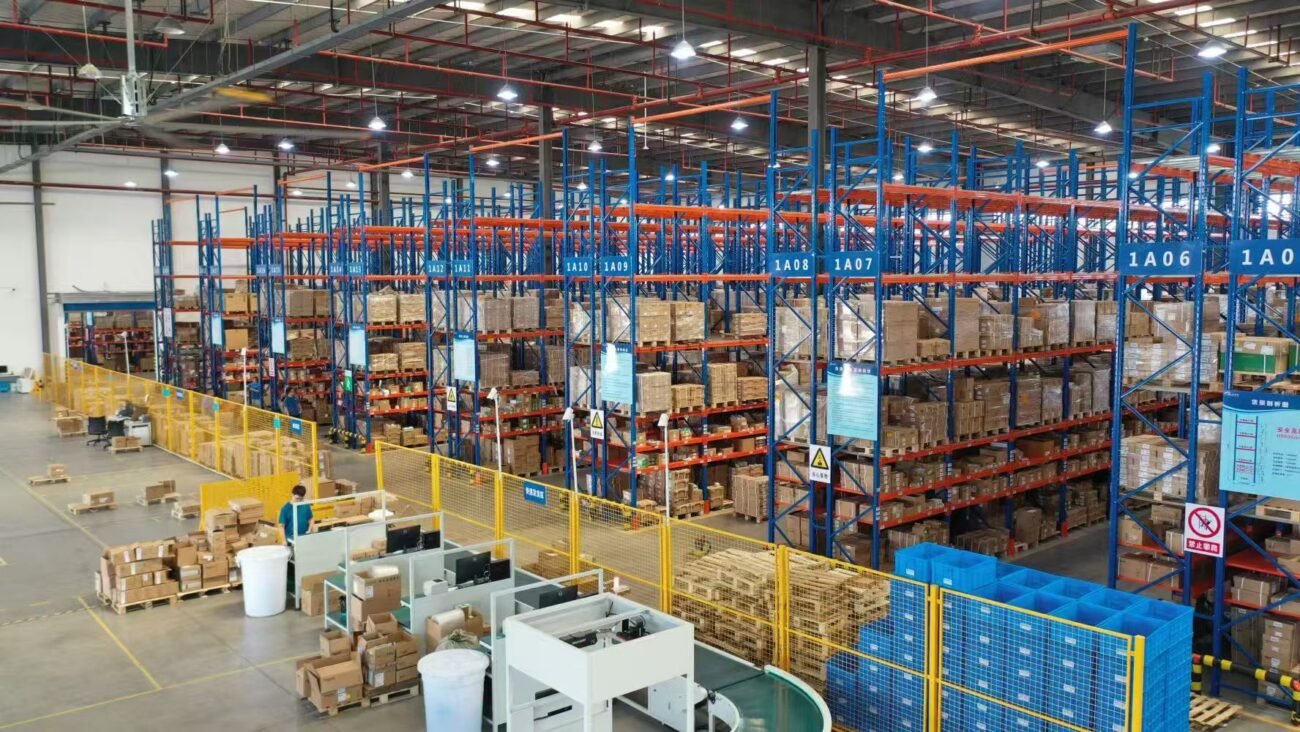
Product inventory is a crucial foundation for channel sales.

For industrial electrical distribution channels, inventory capability directly impacts order response speed.

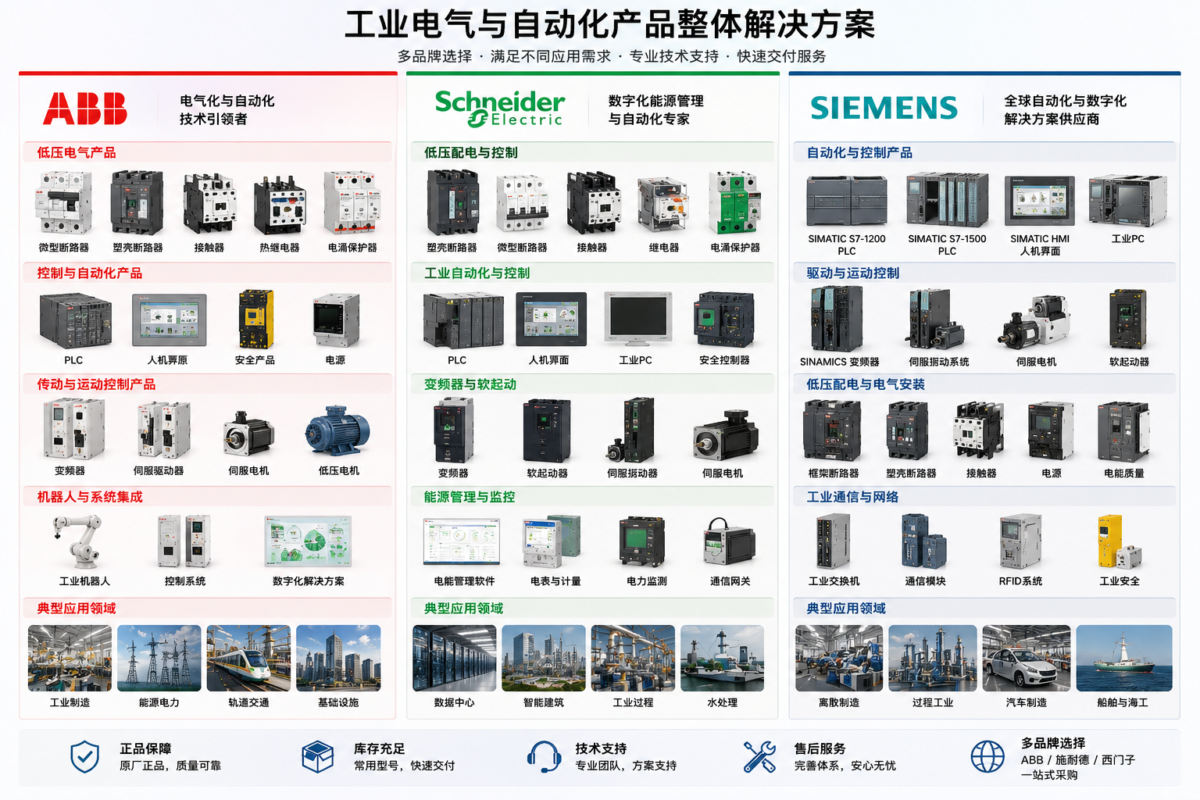
There is a sustained demand for products such as circuit breakers, contactors, relays, push-buttons and indicator lights, PLCs, variable frequency drives (VFDs), soft starters, and other automation equipment within the sectors of machinery manufacturing and industrial maintenance. Maintaining appropriate inventory levels for products with stable market demand can shorten delivery times for certain orders and enhance procurement efficiency for customers.

At the same time, given the extensive range and specifications of Schneider Electric products, inventory management requires dynamic adjustments based on actual sales performance; this ensures the availability of frequently used models while improving overall inventory turnover efficiency.

Project Sales and Routine Spare Parts Demand

Demand in Schneider Electric’s channel market can be broadly categorized into two types: project-based requirements and routine spare parts.
Project-based customers typically place large-volume orders involving a wide range of product series and models; they place high demands on pricing, delivery schedules, product integration, and order coordination capabilities. In contrast, customers focused on equipment maintenance and spare parts prioritize model compatibility, product availability, and rapid delivery.

Therefore, adopting appropriate sales and supply methods for different types of orders is a crucial step in enhancing channel service efficiency.

2. Alessi: the Italian Factory of Design

Channel sales place greater emphasis on product selection services.

Industrial electrical products are not simple, standardized consumer goods. Even within the same product series, different models may vary in terms of voltage, current, power, control methods, communication capabilities, and installation configurations.

When selecting products for new projects, retrofitting equipment, or replacing older models, customers typically need to identify specific products based on actual technical parameters. Beyond merely supplying products, channel vendors must enhance their capabilities in model lookup, parameter verification, and the matching of substitute models to help customers minimize issues during the selection and procurement processes.

Market competition based on price and delivery capability

As procurement channels for industrial electrical products become increasingly diversified and market prices more transparent, relying solely on price competition makes it difficult to sustain a long-term advantage.
Customers are placing growing importance on factors beyond procurement costs—such as supply stability, inventory availability, delivery lead times, and pre- and post-sales service. Rapid inventory confirmation and timely shipment are often more critical than price alone, particularly during equipment maintenance shutdowns or when project schedules are tight.
Consequently, stable supply channels, optimized inventory structures, and efficient order processing capabilities are emerging as key competitive factors for Schneider Electric’s channel sales.

Leave a Reply

Your email address will not be published. Required fields are marked *